July 8, 2026
Medical spas have become a popular destination for individuals seeking treatments that combine the comfort of a traditional spa with the expertise of medical professionals. Unlike conventional wellness centers, medical spas offer advanced aesthetic and wellness services designed to address specific skin concerns, signs of aging, and overall rejuvenation. These facilities provide a unique environment where clients can enjoy personalized treatments while benefiting from medical oversight and evidence-based procedures.
As demand for noninvasive cosmetic treatments continues to rise, more people are turning to medical spas for solutions that deliver noticeable results with minimal downtime. According to The Check In, data from 2024 showed a 24% increase in membership sales across medspas, reflecting growing consumer interest in ongoing wellness and aesthetic care. Understanding the services available at medical spas can help individuals determine which treatments align with their personal goals and expectations.
What Are the Most Popular Treatments at Medical Spas?
One of the primary reasons people visit medical spas is access to advanced skincare and cosmetic treatments that go beyond what traditional spas typically offer. These services are designed to improve skin health, enhance appearance, and support long-term wellness.
Injectable treatments remain among the most requested services at medical spas. Neurotoxins and dermal fillers are commonly used to reduce the appearance of fine lines, wrinkles, and volume loss. These minimally invasive procedures often provide noticeable improvements without the need for surgery.
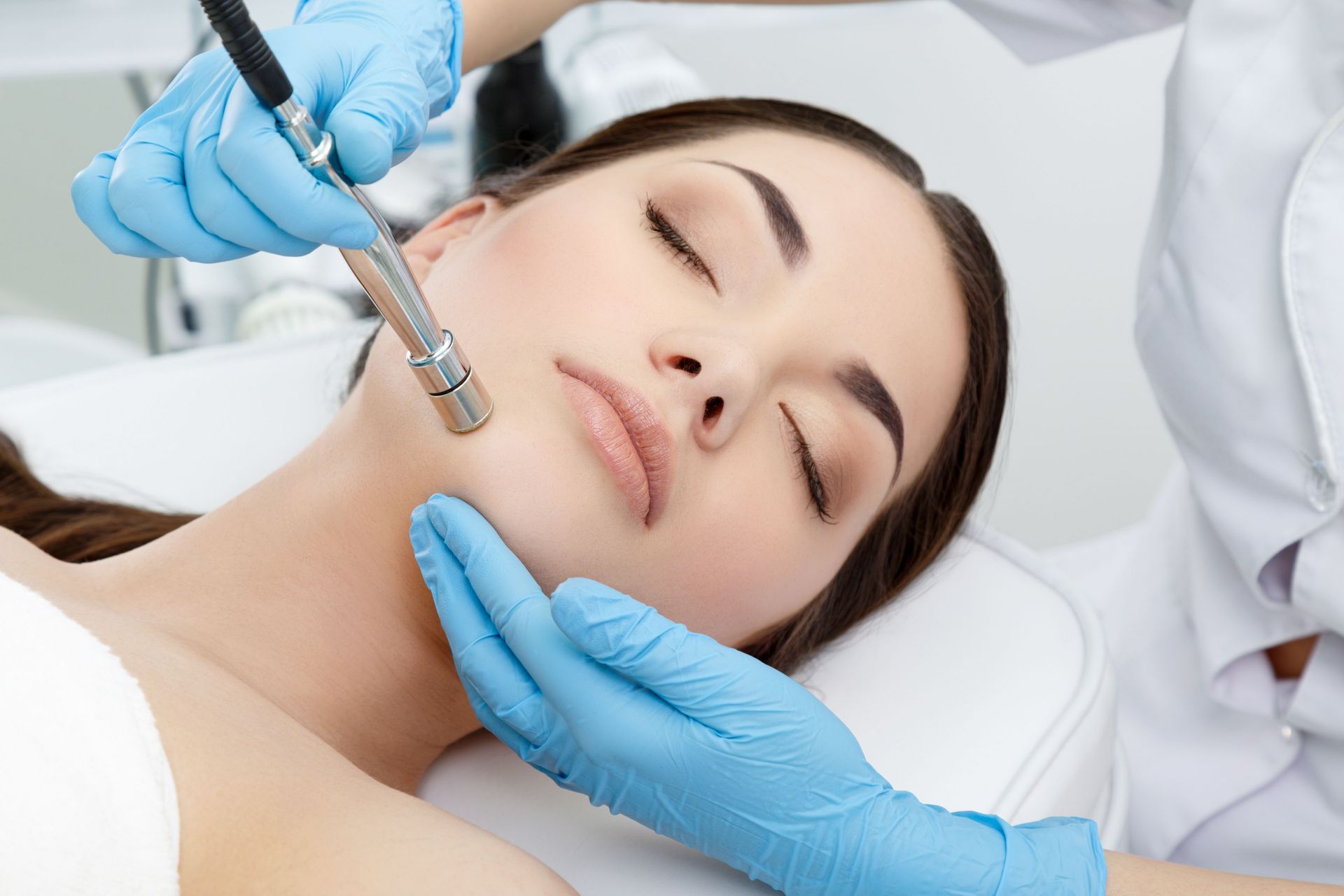
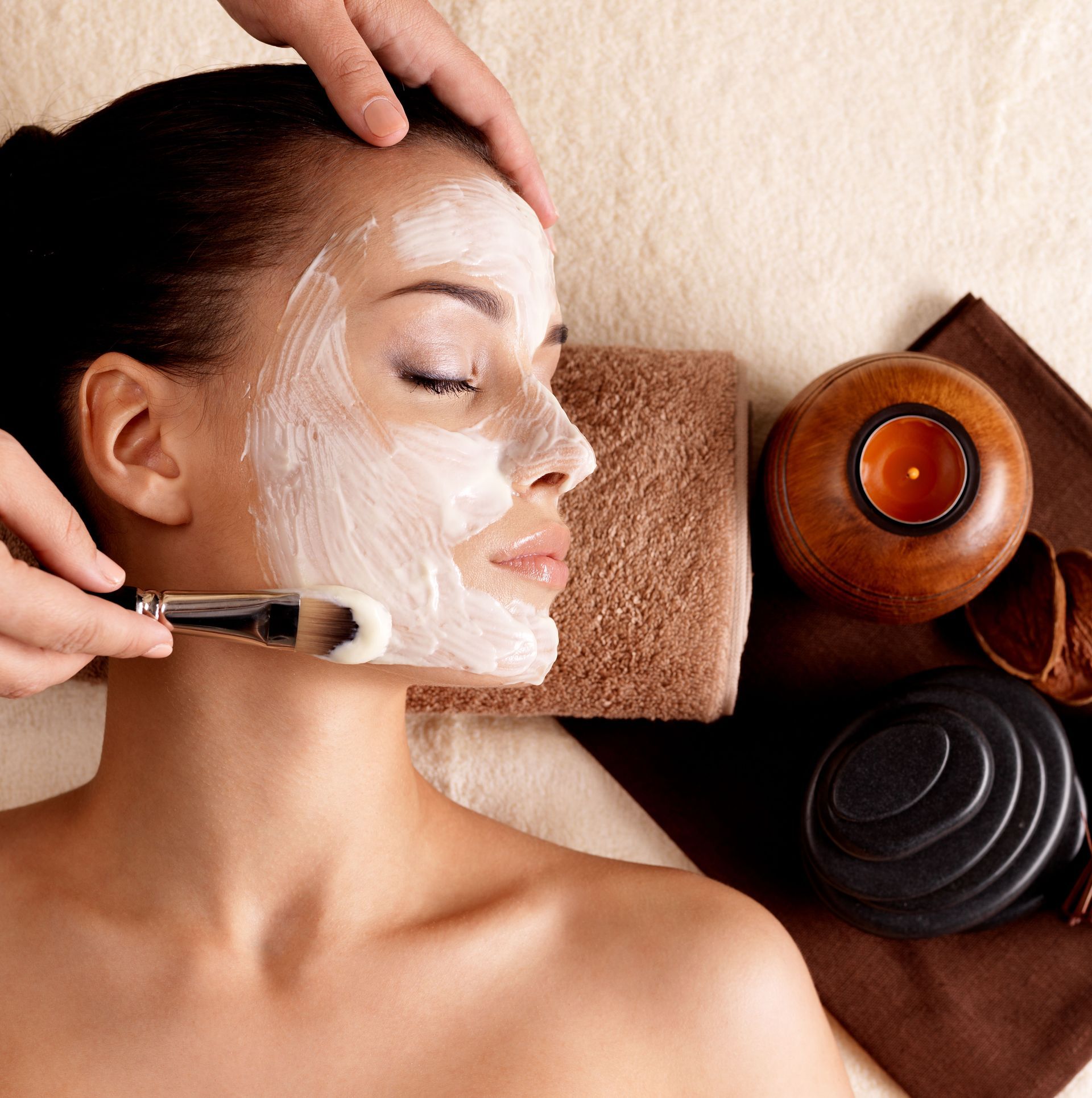
Facial rejuvenation treatments are also highly popular. Chemical peels, microdermabrasion, and advanced facials help improve skin texture, reduce discoloration, and promote a brighter complexion. Many medical spas customize these treatments to address specific concerns such as acne, sun damage, or uneven skin tone.
Laser treatments represent another major category of services. Laser skin resurfacing, hair removal, and pigmentation correction can target various cosmetic concerns with precision. Because these procedures involve specialized equipment, they are often performed under the supervision of trained medical professionals.
Body contouring has also gained significant attention in recent years. Noninvasive treatments designed to reduce stubborn fat and tighten skin appeal to individuals looking to enhance their appearance without undergoing surgical procedures. Many medical spas offer these technologies as part of comprehensive aesthetic treatment plans.
How Do Medical Spas Differ From Traditional Day Spas?
Although both environments focus on relaxation and self-care, important distinctions separate medical spas from traditional day spas. Understanding these differences can help clients choose the facility best suited to their needs.
The most significant difference is medical oversight. Medical spas typically operate under the supervision of licensed healthcare professionals who oversee treatments and develop protocols that prioritize safety and effectiveness. This medical involvement allows facilities to offer procedures that require specialized training and expertise.
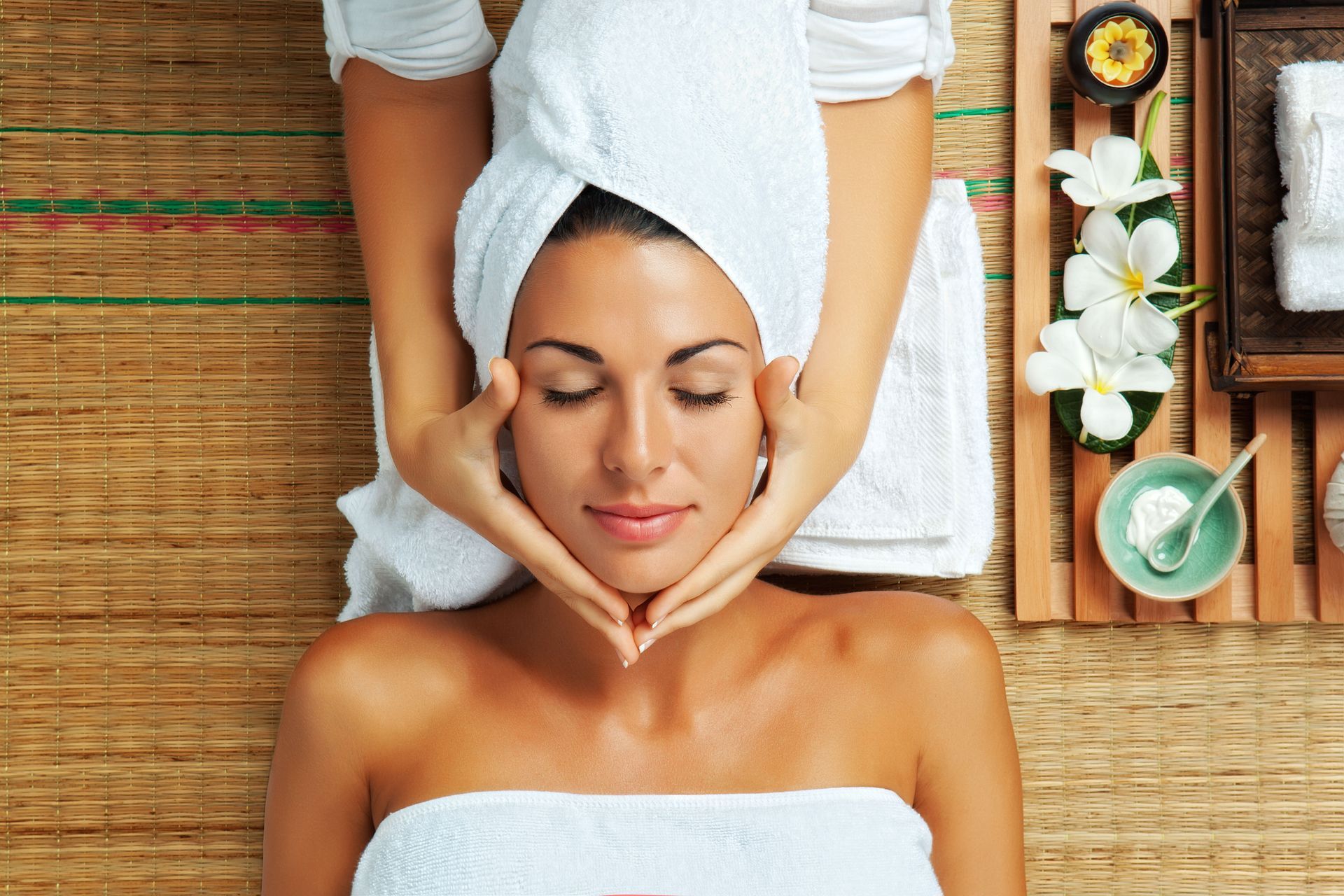
Traditional day spas generally focus on relaxation-oriented services such as massages, aromatherapy, and basic facials. While these treatments can promote stress relief and overall well-being, they typically do not address deeper cosmetic concerns or involve medical-grade technologies.
Another distinction is the type of products and equipment used. Medical spas often utilize professional-strength skincare products and advanced devices that may not be available in standard spa settings. These tools allow practitioners to deliver more targeted treatments and measurable outcomes.
Consultations also play a larger role at medical spas. Before receiving treatment, clients often undergo an evaluation to assess their goals, medical history, and suitability for specific procedures. This personalized approach helps create customized treatment plans that align with individual needs.
What Are the Benefits of Visiting a Medical Spa?
The growing popularity of medical spas can be attributed to the wide range of benefits they offer. These facilities provide solutions that support both physical appearance and overall confidence.
One major advantage is access to professional expertise. Clients receive guidance from trained practitioners who understand how various treatments affect the skin and body. This knowledge allows for more personalized recommendations and safer treatment experiences.
Many treatments available at medical spas focus on prevention as well as correction. Regular skincare services can help maintain healthy skin, reduce signs of aging, and address concerns before they become more significant. This proactive approach appeals to individuals seeking long-term results.
Convenience is another important benefit. Rather than visiting multiple providers for different services, clients can often access a variety of treatments in one location. From skincare procedures to wellness services, medical spas provide comprehensive care tailored to individual goals.
Many individuals also report increased confidence after receiving treatments. Whether addressing acne scars, reducing wrinkles, or improving skin tone, aesthetic improvements often contribute to a more positive self-image. While physical appearance is only one aspect of overall wellness, feeling satisfied with one's appearance can positively influence daily life.
Additionally, medical spas frequently incorporate wellness-focused services that complement aesthetic treatments. Nutritional counseling, hormone support programs, and other wellness offerings may help clients pursue a more holistic approach to self-care and health management.
Are Medical Spa Treatments Safe?
Safety is a common concern for individuals considering aesthetic procedures, and reputable medical spas place a strong emphasis on maintaining high standards of care. While every treatment carries some degree of risk, qualified providers work to minimize complications through proper evaluation, training, and oversight.
The first step in promoting safety is conducting a thorough consultation. During this process, practitioners review medical history, discuss treatment goals, and identify any factors that could affect the procedure. This assessment helps determine whether a client is an appropriate candidate for specific services.
Professional qualifications also play an important role. Medical spas typically employ licensed professionals with specialized training in aesthetic procedures. These individuals understand treatment protocols, equipment operation, and patient care practices that support safe outcomes.
Modern equipment and evidence-based techniques further contribute to treatment safety. Reputable facilities invest in high-quality technologies and maintain established protocols designed to reduce risks and improve effectiveness.
Clients can also support their own safety by following pre-treatment and post-treatment instructions carefully. Proper preparation and aftercare often contribute to better results and lower the likelihood of complications. Open communication with providers allows clients to ask questions and address concerns before moving forward with treatment.
What Should You Expect During a Medical Spa Visit?
For first-time visitors, understanding the treatment process can help reduce uncertainty and create a more comfortable experience. Most medical spas follow a structured approach designed to personalize care and support positive outcomes.
The visit typically begins with an initial consultation. During this meeting, a provider discusses the client's concerns, desired results, and medical background. This conversation helps establish realistic expectations and determine which treatments may be most appropriate.
Following the consultation, a customized treatment plan is often developed. Depending on the client's goals, the provider may recommend a single procedure or a series of treatments designed to achieve gradual improvements over time.
During the treatment itself, practitioners explain the process and answer any remaining questions. Many services are relatively quick and involve little downtime, allowing clients to return to normal activities shortly afterward.
After treatment, providers usually offer detailed aftercare instructions. These guidelines may include skincare recommendations, activity restrictions, or follow-up appointments. Adhering to these instructions helps maximize results and supports the healing process.
Many medical spas encourage ongoing communication with clients. Follow-up visits allow providers to evaluate progress, adjust treatment plans when necessary, and address any concerns that arise. This collaborative approach contributes to a more personalized and satisfying experience.
Medical spas offer a unique combination of medical expertise, advanced technology, and relaxing environments that appeal to individuals seeking effective aesthetic and wellness solutions. From injectables and laser treatments to customized skincare services and body contouring procedures, these facilities provide a wide range of options tailored to individual goals.
The growing popularity of
medical spas reflects increasing interest in noninvasive treatments that deliver visible results while supporting overall well-being. By understanding the services available, the differences between medical and traditional spas, and the safety measures involved, potential clients can make informed decisions about their care. Whether the goal is rejuvenation, prevention, or enhanced confidence, medical spas continue to provide innovative solutions for modern wellness and beauty needs. If you're looking for a compassionate medical spa, contact Amber Laine Med Spa + Salon today!